Do you say yes when you mean no? Do you apologize constantly even for things that aren’t your fault? Maybe you avoid conversations you know need to happen, manage everyone else’s emotional comfort, and feel quietly exhausted by all of it….
You are engaged in a pattern that therapy can help you understand and change. People pleasing and conflict avoidance look like virtues from the outside: easygoing, accommodating, generous, but from the inside, it feels like something else entirely. It feels like a slow erosion of your sense of self and a building resentment. There’s a loneliness that comes from being well-liked but not genuinely known.

UNDERSTANDING THE PATTERN
More Than Just Being Nice
There is a meaningful difference between being a kind, generous person and being a people pleaser. Genuine kindness is freely chosen. It’s an expression of caring that doesn’t require you to abandon your own needs or preferences. People pleasing is a pattern in which the approval, comfort, and emotional state of others consistently takes priority over your own. It doesn’t feel like a choice.
People pleasers are often highly capable, emotionally perceptive, and socially skilled. You are probably great at reading the room and anticipating needs before they are expressed. But when those skills are practiced compulsively, they come with a cost. The person who is excellent at making everyone else comfortable often has very little practice making themselves comfortable. It’s hard for them to say no or even know what they actually want when no one else’s preferences are in the room.
Conflict avoidance is the behavioral expression of the same underlying pattern. Difficult conversations don’t happen. Grievances accumulate. Honest disagreement is replaced with surface-level agreement and private resentment. And the relationships being “protected” by all this avoidance often end up less honest, less intimate, and less durable than they would be if the conflict had been engaged with directly.
The key question: Am I doing this because I want to or because I’m afraid of what happens if I don’t?
Genuine Kindness vs. People Pleasing
The distinction matters clinically because the treatment is different. Here is how to tell them apart:
The Fawn Response: When Appeasing Kept You Safe
You may have heard of fight, flight, and freeze as the three survival responses to threat. There is a fourth, identified by trauma therapist Pete Walker: fawn. It’s the response of appeasing, placating, and accommodating in order to neutralize danger or manage conflict.
Confront the threat
Aggression, anger, or defensiveness in response to perceived danger
Escape the threat
Running, avoiding, leaving physically or emotionally withdrawing
Become invisible
Shutting down or going still until the danger passes
Appease the threat
Placating, agreeing, and accommodating to neutralize threat the root of chronic people pleasing
For people who grew up in environments that were emotionally unpredictable, critical, controlling, or unsafe, learning to manage other people’s moods was a survival skill. If you could anticipate what a parent needed and provide it, you avoided the explosion. If you could make yourself agreeable and unthreatening, you stayed safe. The fawn response worked.
The problem is that the nervous system doesn’t easily distinguish between the childhood environment where fawning was necessary and the adult environment where it isn’t. The pattern that once protected you continues to operate long after the original threat is gone.
People pleasing is not a character flaw. It is often a very intelligent adaptation to a difficult early environment. Understanding it that way with compassion rather than self-criticism is where the therapeutic work begins.
Therapy for Conflict Avoidance and People Pleasing
The pattern of people pleasing operates at multiple levels. It often begins when we are young and then becomes habitual. Meaningful change typically requires working at more than one level. I draw on three complementary approaches, tailored to what each person most needs.
Psychodynamic Psychotherapy: Understanding the Origins
Psychodynamic therapy explores where people pleasing came from the relational environments that made it necessary, the early experiences that encoded it as a survival strategy, and the way it continues to operate in present-day relationships. Understanding the roots of a pattern changes your relationship to it.
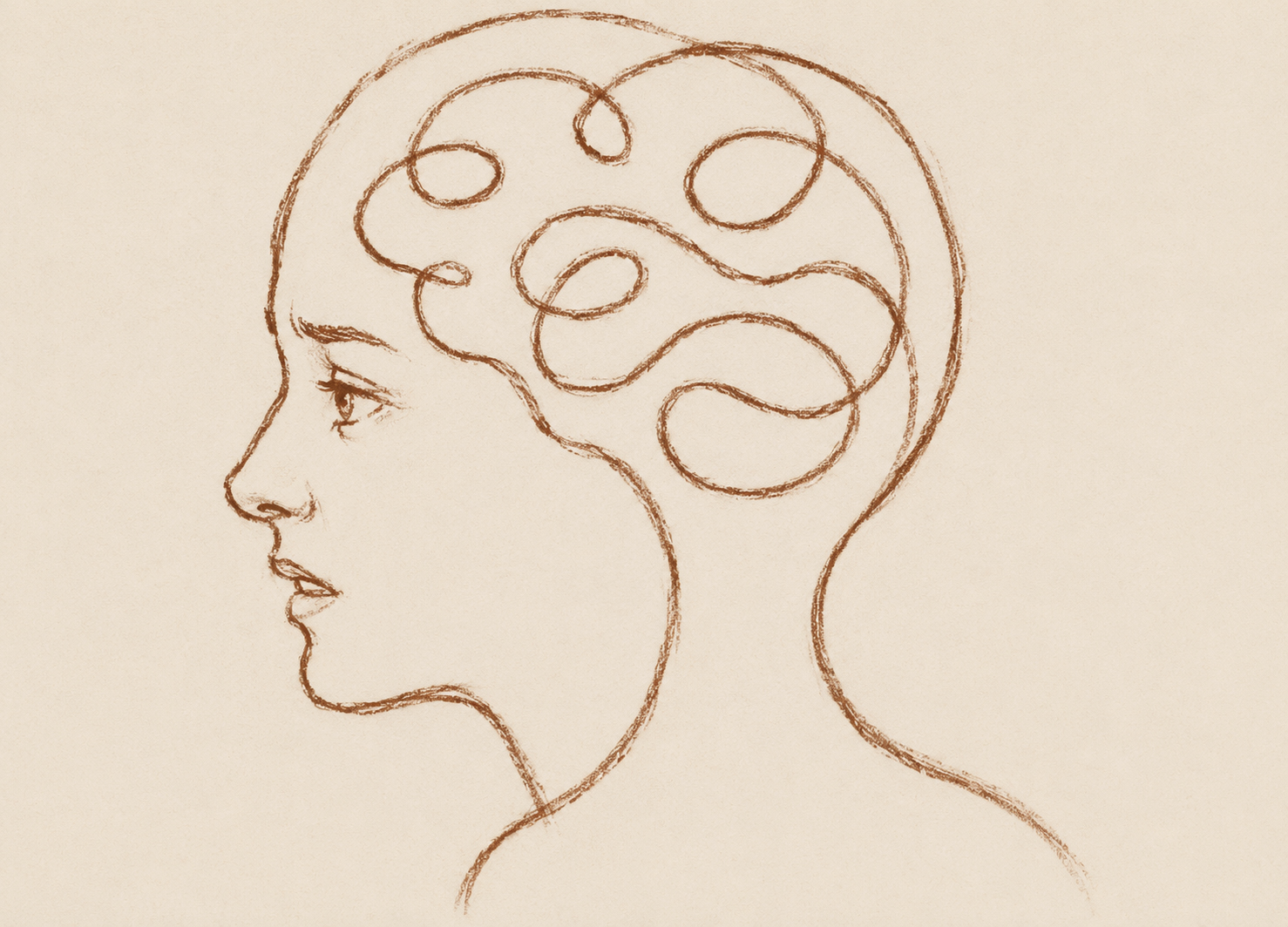
In psychodynamic work for conflict avoidance, we explore:
- Working through the fear that being honest will cost you the relationships you care about most
- The early environments that made appeasement necessary and what they taught you about safety
- How family dynamics shaped your role as the accommodating or responsible one
- Processing the anger that conflict avoidance has suppressed and redirected
- The therapeutic relationship as a safe space to practice authentic self-expression
- Building a more grounded sense of self that doesn’t depend on approval
Cognitive Behavioral Therapy (CBT): Changing Thoughts and Behavior
CBT targets the specific beliefs and behavioral patterns that maintain people pleasing.
In CBT for conflict avoidance, we work on:
- Addressing the perfectionism that often accompanies the need to be seen as nice and agreeable
- Identifying the specific beliefs that make saying no feel dangerous or intolerable
- Gradual exposure to the discomfort of disagreement, limit-setting, and expressing a genuine preference
- Assertiveness training. Learning to expressing needs, preferences, and limits clearly, directly, and without excessive apology
Acceptance and Commitment Therapy (ACT): Values-Led Living
ACT addresses people pleasing at the level of values and identity. Rather than organizing your life around avoiding others’ disapproval, ACT helps you get clear on what you actually stand for and build the capacity to act from those values even when doing so generates discomfort.
In ACT for conflict avoidance, we work on:
- Values clarification. Identifying what matters to you independent of others’ approval
- Defusion from the anxious thoughts that make saying no feel catastrophic
- Acceptance of the discomfort that comes with authentic self-expression, rather than avoiding it through compliance
- Committed action toward a more honest, self-directed life even before the anxiety goes away
- Mindfulness of people-pleasing patterns as they arise in real time, creating a moment of choice before the automatic yes
I often integrate all three approaches . We work to build self-understanding through psychodynamic work, change specific patterns through CBT, and develop values-based direction through ACT. The balance depends on who you are and what you most need.
What Changes Through This Work
Change in this area tends to be gradual and nonlinear. There will be moments of uncomfortable honesty that feel awkward at first. There will be conversations that don’t go perfectly but feel more real than anything that came before. Over time, the changes tend to compound and stabilize.

Get started
With a free consultation, you can see if therapy feels like a good fit during this stage of your life.

Compassionate and effective psychotherapy for conflict avoidance and people pleasing for adults in New York via telehealth